
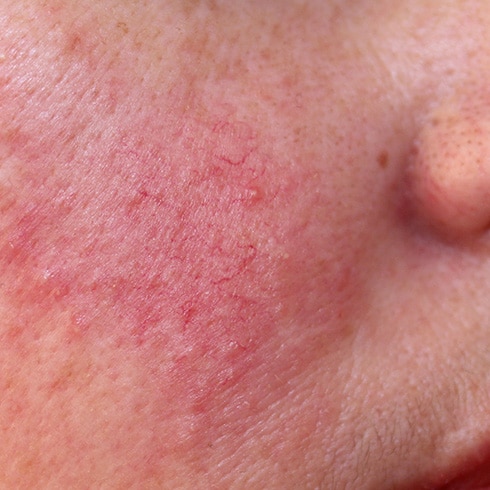
Rosacea is a chronic inflammatory skin condition that most commonly affects women of middle age with light skin. Individuals with fair skin, especially those who blush easily, are at greater risk. While rosacea can affect anyone, it affects millions worldwide, with higher prevalence in certain populations.
Triggers for rosacea flare-ups include sun exposure, cold temperatures, hot or cold temperatures, cold or hot weather, hot drinks, spicy foods, and emotional stress. Steroid-induced rosacea can occur with the use of topical steroids, which may cause or worsen symptoms. Managing rosacea involves avoiding these triggers and implementing appropriate skin care and treatment strategies.
If left untreated, rosacea can progress to severe cases, including significant skin thickening. Rosacea patients often experience both physical and emotional impacts from the condition. Understanding how people develop rosacea and intervening early is crucial for optimal outcomes.
What is Rosacea?
Rosacea is a skin condition that causes redness and visible blood vessels in the face. Sometimes, small, red, pus-filled bumps may also be present. Symptoms of rosacea may flare up for a while before going away for some time. While rosacea can affect anyone, it is most common in women of middle age with light skin. There is currently no cure for rosacea, but there are treatment options to help reduce symptoms.
Common symptoms of rosacea include:
- Facial redness, especially in the central face, which may be persistent erythema or persistent facial redness
- Small, visible, or enlarged blood vessels on the nose and cheeks
- Red, swollen bumps that may resemble acne; papulopustular rosacea is a subtype characterized by central facial redness and pustules
- Thickening of the skin, especially on the nose (rhinophyma); an enlarged nose is a severe manifestation. Phymatous rosacea is a subtype marked by skin thickening and nodular changes.
- Burning or stinging sensations
- Dry, irritated, or swollen eyes and eyelids; ocular symptoms and eye symptoms can range from mild dryness to severe inflammation
Other signs may include swelling, lumps, and visible blood vessels. There are several rosacea subtypes, including phymatous rosacea and papulopustular rosacea, each with distinct clinical features. Over time, rosacea can cause the skin on the nose to thicken, giving it a bulbous look.
Types of Rosacea
Rosacea is a complex skin condition that can manifest in different ways, and understanding its various types is essential for effective diagnosis and treatment. There are four primary subtypes of rosacea, each with distinct characteristics and symptoms. These types include erythematotelangiectatic, papulopustular, phymatous, and ocular rosacea.
- Erythematotelangiectatic rosacea is characterized by persistent facial redness, flushing, and visible thread-like blood vessels.
- Papulopustular rosacea presents with acne-like bumps and pustules on top of a background of redness and sensitivity.
- Phymatous rosacea involves thickening of the skin, often on the nose, leading to a bumpy, enlarged appearance.
Treatment Options for Rosacea
The treatment option that is best for you will depend on your symptoms and the severity of your rosacea. Sometimes, different treatment options or a combination of drugs may be needed to find the best treatment that works for you. Dr. Erwin will carefully assess your rosacea to suggest the best and most effective treatment for you. Common treatment options include:
Medications and Therapies
Topical Drugs
A cream or gel may be prescribed as a topical treatment to help reduce redness in mild to moderate rosacea. Common creams include brimonidine and oxymetazoline, and results are usually seen within 12 hours after use. Other topical products that help to control the pimples that come with mild rosacea may include azelaic acid, metronidazole, ivermectin, and tretinoin. Topical therapy plays an important role in controlling redness and inflammation in rosacea, often as part of a comprehensive treatment plan.
Oral Antibiotics
Oral antibiotics may be prescribed for moderate to severe rosacea to control bumps and pimples.
Oral Acne Drugs
For those with severe rosacea that does not respond to other treatments, isotretinoin may be suggested. This is a powerful oral acne drug that helps to clear up the pimples caused by rosacea. Those who are pregnant should not take this medication.
Light-Based Therapies
Laser and light-based therapies, such as laser treatment, may help to reduce redness caused by rosacea and remove visible blood vessels as well as persistent erythema. Repeat treatments are often needed to see the best results.
For individuals who have rosacea that affects their eyes, they may be referred to an eye specialist called an ophthalmologist.
Home Remedies and Gentle Skin Care
While these remedies may not be as effective as those given to you by a dermatologist, some patients can try these practices to help control symptoms of rosacea.
- Identify and avoid your rosacea triggers.
- Protect your face using a broad-spectrum sunscreen. Daily use of broad-spectrum sunscreen is important for rosacea, as it helps prevent flare-ups triggered by UV exposure.
- Gently treat your skin with a gentle skin care routine. Use non-soap cleansers and moisturize daily with products formulated for sensitive skin. Maintaining your skin barrier is essential to managing rosacea symptoms and preventing irritation.
Proper skin care is essential, especially for those with sensitive skin. Maintaining the skin barrier and using products suitable for rosacea-affected skin and facial skin can help reduce symptoms and prevent exacerbations.
Rosacea FAQs
Can dehydration cause rosacea?
Can I get a facial if I have rosacea?
Can I get rosacea on my arms?
Can I use hyaluronic acid if I have rosacea?
Can rosacea affect your eyes?
Can stress and anxiety cause rosacea?
Ideal Candidates for Rosacea Treatment
Patients with rosacea that causes them embarrassment or anxiety can often benefit from rosacea treatment. Seeing a dermatologist such as Dr. Erwin is important in properly diagnosing and treating your rosacea properly for the best possible results. To schedule your assessment with Dr. Erwin, contact our office today.
Contact Us Today
If you are bothered by your rosacea or would like to learn more about treatment options, contact our office by calling 979-543-9933 to schedule your initial appointment with Dr. Erwin. We will be more than happy to answer any questions that you may have.